
Rural Modernity

Jewish country houses were often sites of innovation. In 1874, Broomhill, the home of David Lionel Salomons, became perhaps the first British house to use electricity.
The present possessor of Broomhill takes a great pleasure in pursuing science both theoretical and practical.
David Lionel Salomons (1898)
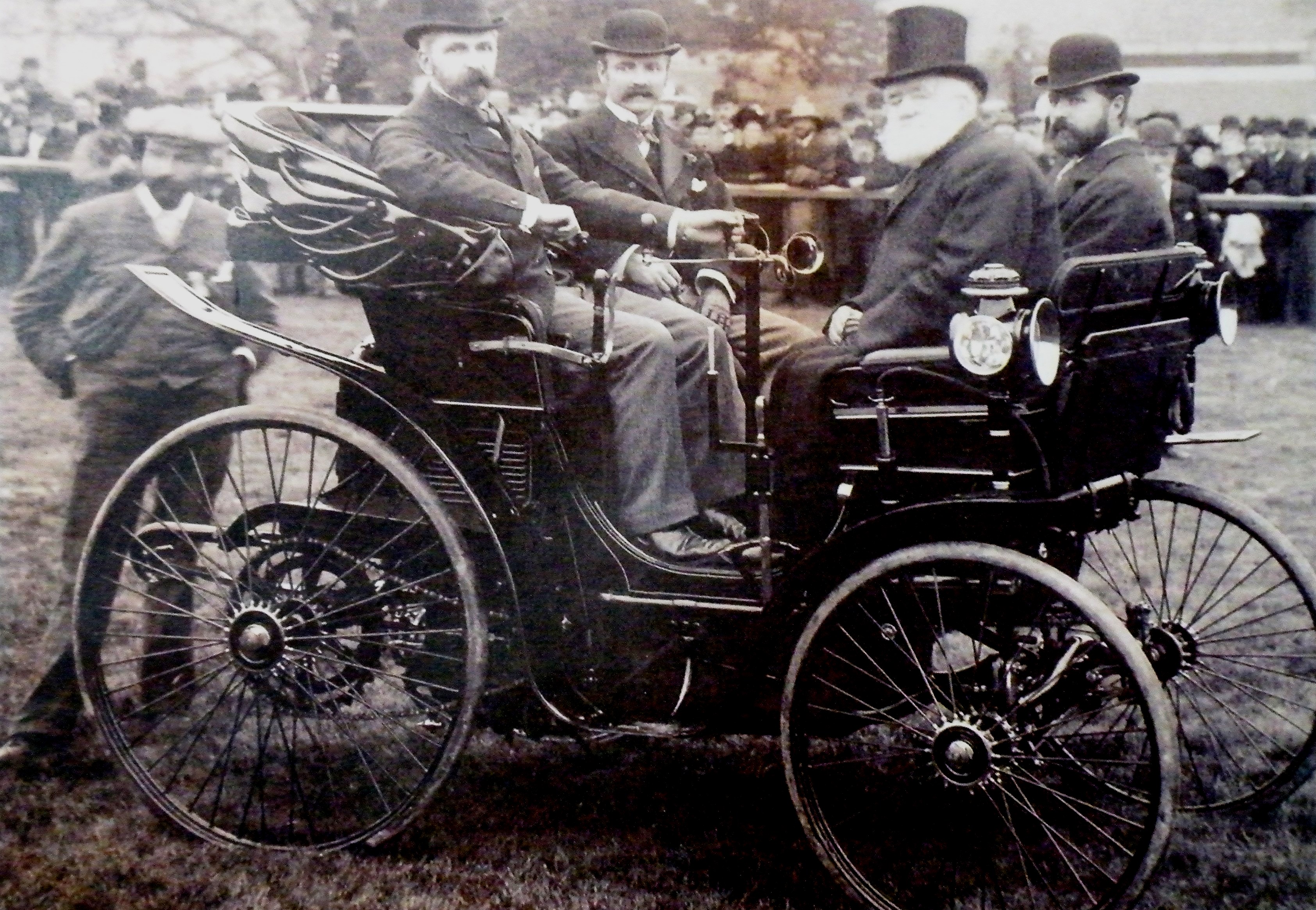
Shown here in his Peugeot, David Lionel Salomons was a pioneering motorist. He purchased and drove the second car in Britain, and built the first garage in Britain at his home near Tunbridge Wells. In 1895 he organised the country’s first motor show: the Tunbridge Wells Horseless Carriage Exhibition.
Courtesy of the Salomons Museum
German-born Ludwig Messel of Nymans embraced gardening – a typically English activity. It enabled him to integrate socially in a part of late Victorian Sussex known for experimental horticulture.
Gardening was a form of lavish consumption. Edwardian garden enthusiasts collected rare species and sponsored plant-collecting expeditions to Asia. This was facilitated by British imperialism. Lionel de Rothschild’s garden at Exbury is famous for its Rhododendrons. Sir Frederick Stern cultivated chalk-loving plants at his clifftop home near Worthing, and developed a fascination with early genetic plant science.
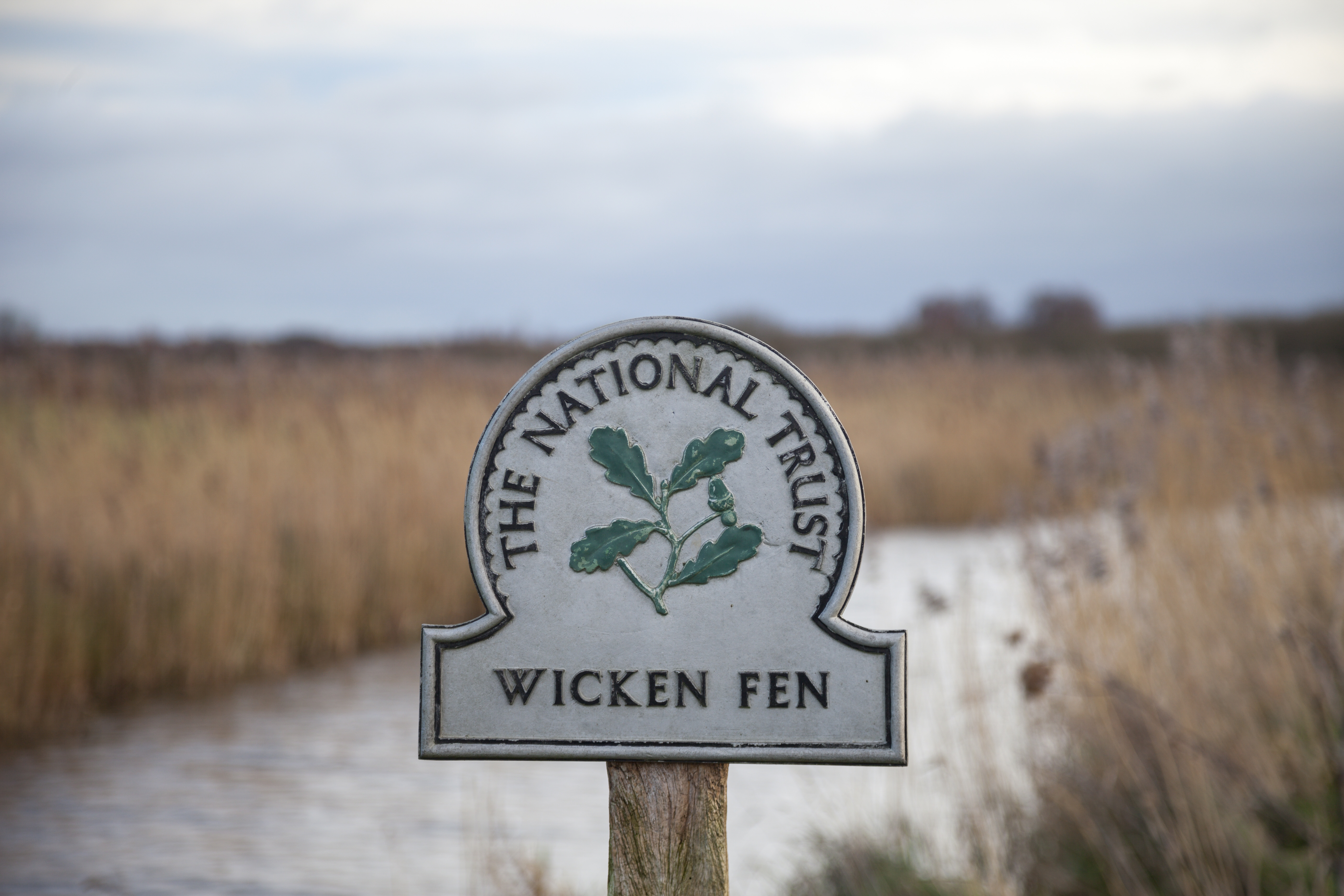
The entomologist and banker Charles Rothschild built and managed his estate at Aston Wold to maximise its suitability for wildlife, especially butterflies. He was a pioneering conservationist who established the first Nature Reserve in Britain at Wicken Fen, which he presented to the National Trust in 1901.
© National Trust Images/Justin Minns
In the twentieth century, the countryside became accessible to less wealthy Jews, who explored alternative ways of living. At Monk’s House, Leonard Woolf pursued literature and publishing in partnership with his wife Virginia. The cottage was close to Charleston, where other members of the Bloomsbury set regularly gathered.

Our Cottage at Far Oakridge. From 1913–1920, the Jewish painter Sir William Rothenstein turned Iles Farm in Gloucestershire, pictured here, into a centre for the Arts and Crafts Movement. He commissioned furniture from local craftsmen and the estate became an inspiration for his art. From Since Fifty, Men and Memories, 1922-1938. Recollections of William Rothenstein (London, 1939)
Exhibition continues: Philanthropy, Rescue and Genocide

