The Business of Empire
The City’s prosperity was reliant on global trade and finance, often involving the exploitation of people and resources across the world. Like other British people, established Jewish families seized opportunities to develop new kinds of business.
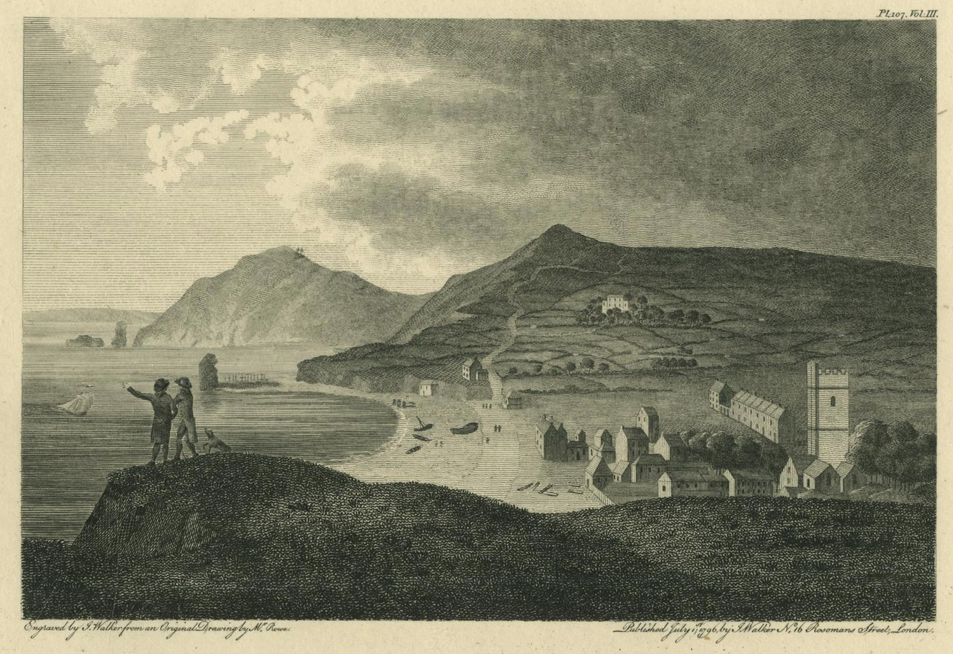
Peak House near Sidmouth was built by Emanuel Lousada, a Sephardic merchant. The Lousada arms included two sugar canes indicating their plantation origins. They and their Barrow relatives were the only important Jewish families to receive significant compensation after the abolition of slavery (1833). The enslaved people themselves received nothing. © The Trustees of the British Museum
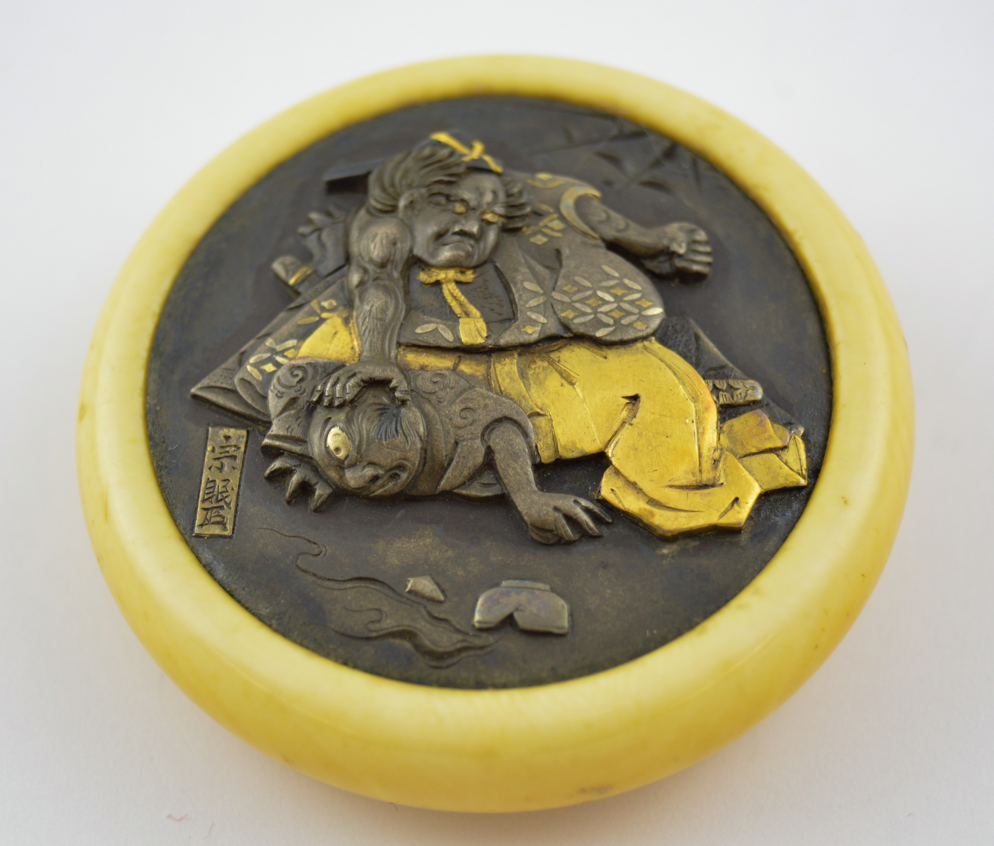
Marcus Samuel started out in 1833 importing sea shells from the Far East. His sons turned “Shell” into a global shipping and oil enterprise. Called netsuke, the miniature Japanese sculptures in Maidstone museum reflect the family’s business interests in East Asia. They were donated by Marcus’ son Walter.
© Maidstone Museums, Object number MNEMG 1979.42.KB19
The British empire also enabled new kinds of Jewish outsider to enter the British establishment from the colonial periphery. The Sassoons were Baghdadi Jews who settled in Mumbai in 1831, making a fortune from opium and other commodities. They benefited from the opportunities created by British imperialism as local intermediaries.
In 1873, Albert (Abdallah) Sassoon became the first Indian to receive the Freedom of the City of London. He joined the aristocracy and even grew friendly with the Prince of Wales. The lives of later generations of Sassoons testify to their newfound Britishness.
In India, the Sassoons were never seen as British. They maintained links with Baghdad, corresponded in Judeo-Arabic and gave a fixed proportion of each business deal to charity. Here, we see the Hebrew motto on the coat of arms that still adorns the hospital that was once a Sassoon mansion in Mumbai.
Photo: © Joseph Sassoon

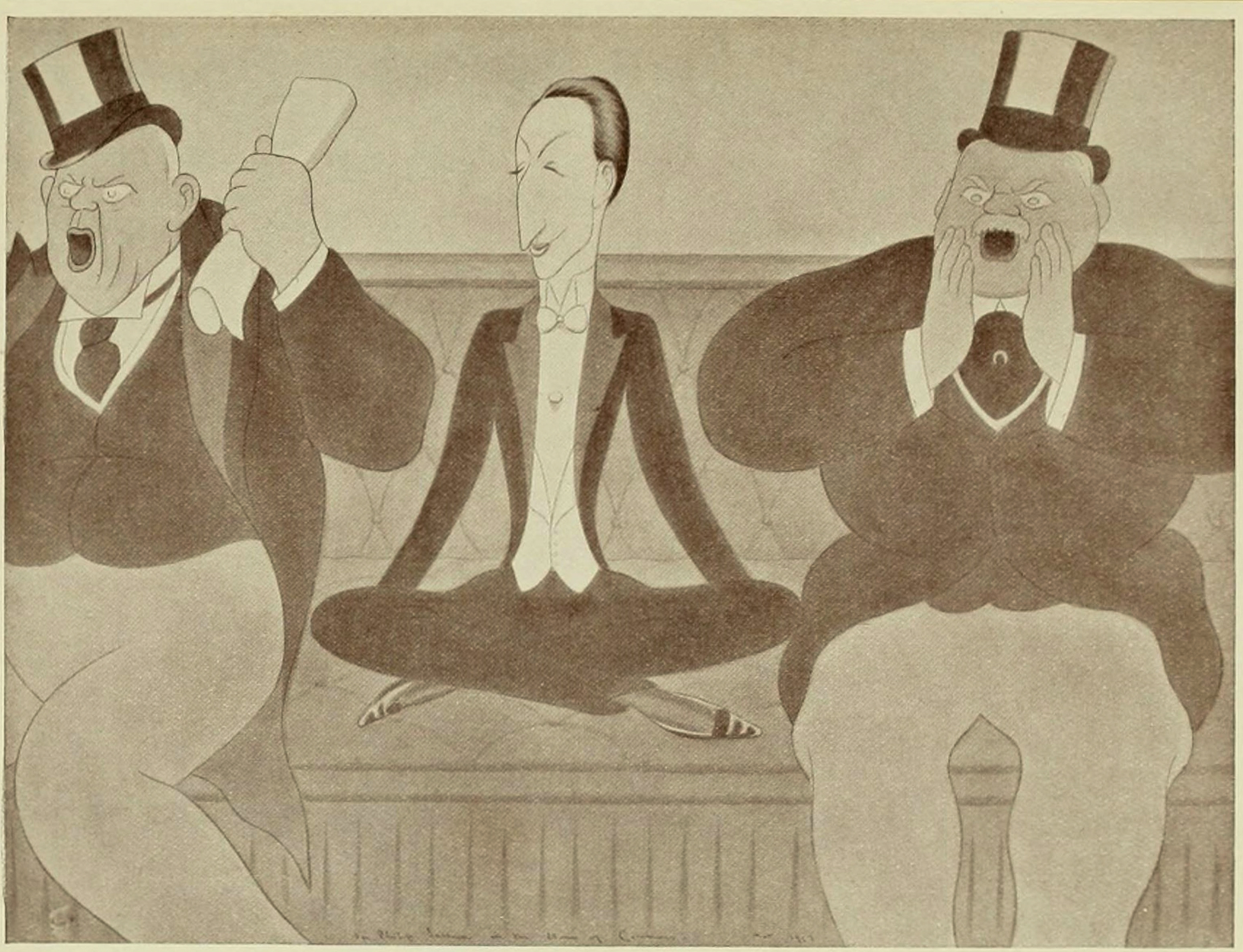
(Below) Philip Sassoon in Strange Company by Max Beerbohm (1913). The title of this caricature references both Sassoon’s Indian origins and his Unionist politics. It contrasts the exotic, cross-legged Jew with the bellowing Conservatives alongside him in the House of Commons.
From A Survey by Max Beerbohm (Heinemann, 1921)
Exhibition continues: Power and Vulnerability

