
Power and Vulnerability

Antisemitism had deep roots in Christian Europe. From 1880, religious prejudices were recast in economic and racial terms, with pogroms in Russia, the Dreyfus Affair in France, and the birth of political antisemitism in Germany and Austria.
Jews were prominent among the British “Randlords” who became rich exploiting the people and resources of South Africa. This promoted antisemitism. Like J. A. Hobson, many radical critics identified British imperialism with Jewish finance. They saw the Boer War (1899–1902) as a “Jewish War”.
“Does anyone seriously suppose that a great war could be undertaken by any European state, or a great State loan subscribed, if the house of Rothschild and its connections set their face against it?”
J. A. Hobson, Imperialism (1902) - an antisemitic text still taught today for its left-wing critique of economic imperialism.
British antisemitism was home-grown but fed upon internationally circulating texts like the Protocols of the Elders of Zion (1903). This notorious and widely disseminated Russian forgery purported to be the minutes of a meeting of Jews plotting to take over the world.
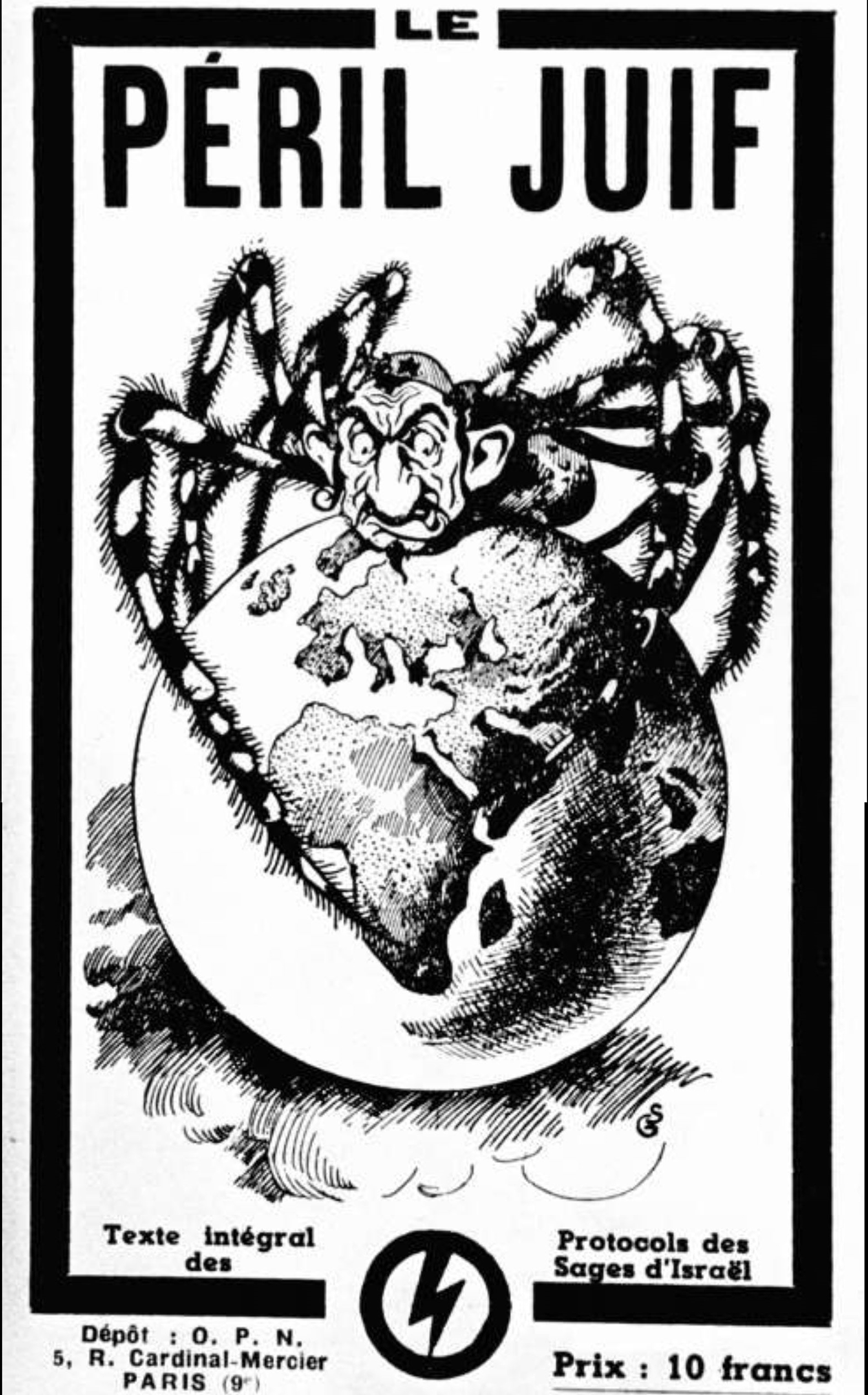
Le Péril Juif (The Jewish danger). Here we see a French translation of the Protocols of the Elders of Zion. The Jew is depicted as an international spider dominating the globe, his reach extending to South Africa.
Many Jews feared Zionism would aggravate this hostility. Others — both rich and poor — embraced it. Sir Alfred Mond married a Christian but became committed to the idea of a “Jewish National Home” in Palestine. This was partly a reaction to the antisemitism and xenophobia he experienced in Britain.
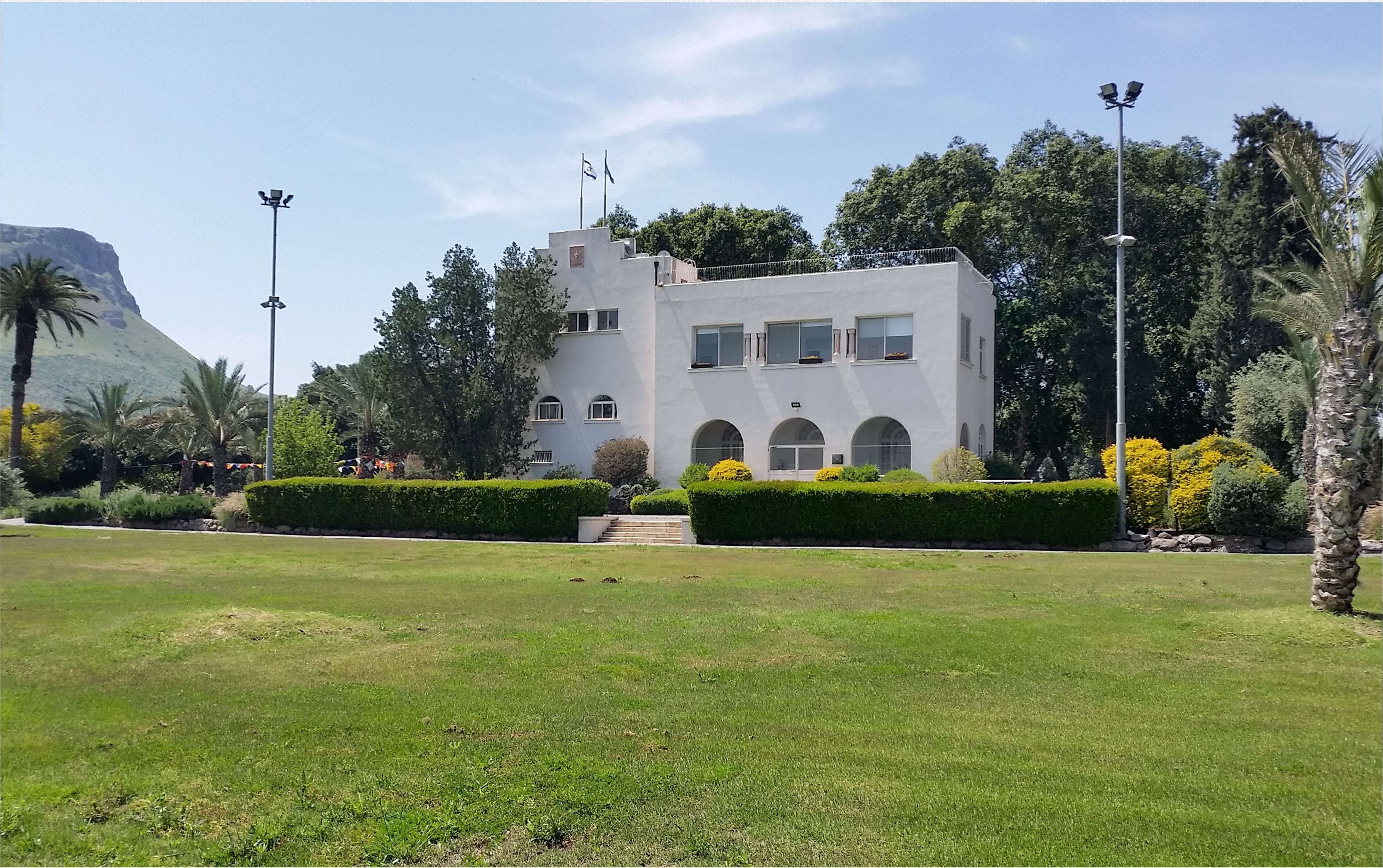
Villa Melchett, Israel. In the late 1920s, Alfred Mond built Villa Melchett on the shores of Lake Galilee in Mandate Palestine. The architecture combines neo-Ottoman with art deco elements. Of all his houses, it was here that Alfred reportedly felt most at peace. Photo © Michael Levitt (of Liverpool/Israel)
Exhibition continues: Rural Modernity

